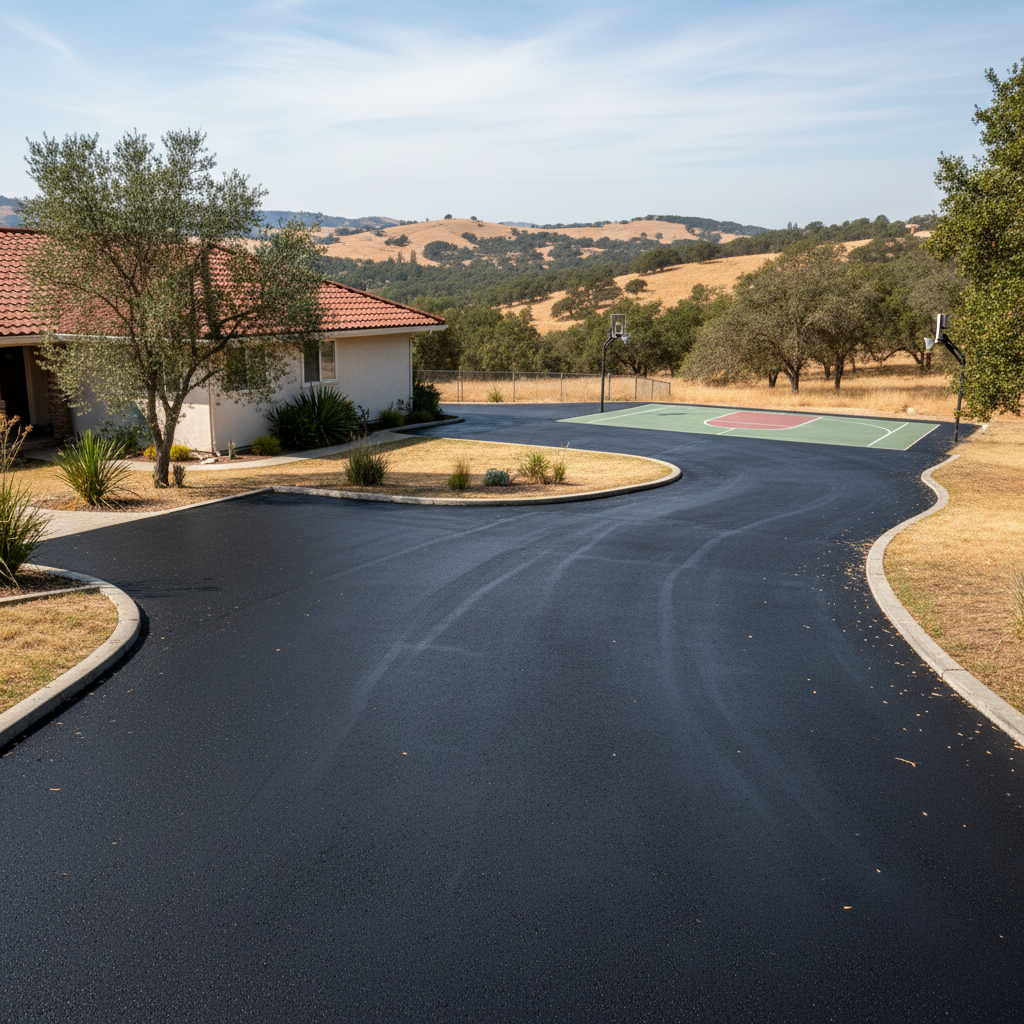
Living through a North Valley summer means watching your asphalt bake under a brutal sun week after week. By the time fall rolls around, your driveway has taken a serious beating. If you are looking at hairline cracks or a faded, gray surface, Slurry Coating in Redding CA is usually the next step to lock things down. But timing that project around our local weather patterns takes a bit of strategy.
Why Redding's Climate Dictates Your Schedule
We do not get traditional winters with months of heavy snow, but our temperature swings from July highs to damp winter mornings will find every weakness in your pavement. Slurry Coating is not something you can just slap down on any random Tuesday. The mix needs a stable environment to cure right.
Here is what you have to watch out for:
- Mid-summer surface temperatures can soar past 140 degrees, which causes the water in a fresh Slurry Coating mix to evaporate too fast and ruins the bond.
- Spring and fall offer the best sweet spots, as long as you steer clear of unexpected rainstorms.
- Morning humidity and heavy dew in neighborhoods near the Sacramento River can delay your curing window.
Nailing the Right Weather Window
You want ambient and pavement temperatures sitting comfortably above 50 degrees and rising when the crew puts down the material. If you try to push your project too late into November, the overnight lows drop fast. When the temperature plunges before the emulsion has fully cured, the whole application can fail, leaving you with a peeling mess.
Omega Asphalt Solutions spends time checking forecasts because a sudden Northern California shower can wash a fresh application right into the gutter. Give the material at least 24 hours of dry, mild weather to set up properly before letting vehicle traffic back on it.
Protecting Your Pavement Year-Round
Putting down a Slurry Coating is a solid fix, but keeping your driveway alive for the long haul takes seasonal upkeep. Keep leaves and organic debris cleared off during the wet months so moisture does not trap against the asphalt. If you spot small cracks opening up when the ground shifts, tackle them with sealant before winter rains get inside and expand the damage.