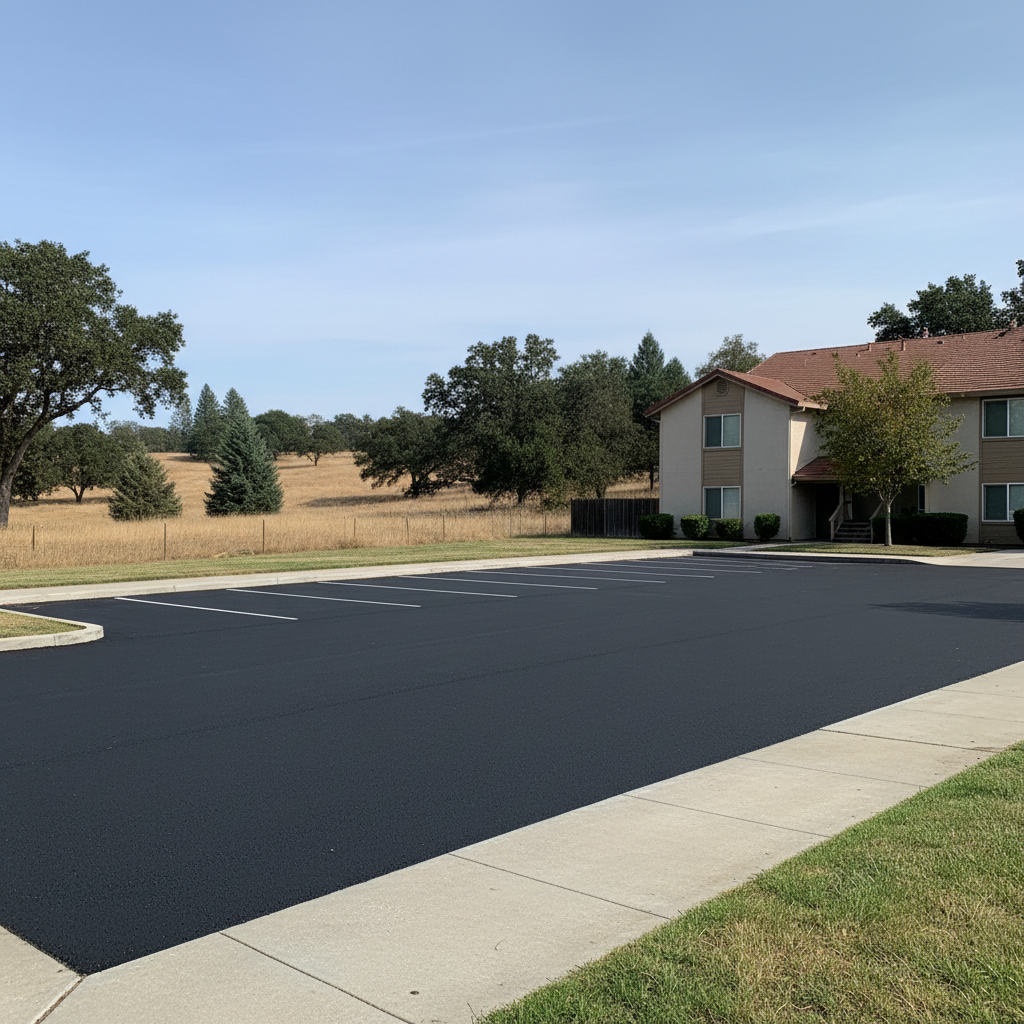
Got a big asphalt job on your hands? Maybe it's for a new business, a large private property, or even a shared community road. This isn't just a simple driveway, so the stakes are definitely higher. I've seen plenty of folks in Redding make some pretty common blunders when they're planning or hiring for these kinds of projects, and believe me, those mistakes can cost you a bundle down the line. Let's talk about what to watch out for.
Mistake #1: Skipping the Site Prep Details
This one's huge. People often focus on the top layer of asphalt, but what's underneath is just as important, if not more so. I'm talking about the subgrade and base. If your contractor isn't talking about proper excavation, compaction, and drainage, that's a massive red flag. Especially here in Redding, with our clay soils in some areas and the intense heat we get, a poorly prepared base will fail. You'll see cracks, potholes, and rutting way sooner than you should. Ask about soil testing, aggregate base thickness, and compaction rates. If they just want to throw asphalt over your existing, failing surface without addressing the foundation, walk away. You'd basically be putting a band-aid on a broken leg.
Mistake #2: Going Solely on the Lowest Bid
Look, I get it. Money talks. But with asphalt, the cheapest bid is almost never the best value. A low bid often means corners are being cut somewhere. Maybe they're using less material, thinner layers, lower quality aggregate, or they're not properly compacting. Or perhaps they're not even insured, which is a whole other nightmare waiting to happen. You really need to compare apples to apples. Get detailed quotes that break down the scope of work: excavation, base material and thickness, asphalt mix type, asphalt thickness, compaction, and drainage solutions. If one bid is significantly lower than the others, ask why. Don't be afraid to question it. A good contractor will be transparent about their pricing and what it includes.
Mistake #3: Not Checking References and Licensing
This seems obvious, but you'd be surprised how many people skip this step. You wouldn't hire an employee without checking references, right? Same goes for a contractor. Ask for recent projects, especially similar commercial ones, and actually call those clients. Ask about their experience with the contractor: Were they on time? Did they stick to the budget? Was the quality good? Did they clean up? And for crying out loud, verify their license and insurance! In California, you can look up contractors on the CSLB website. If they're not licensed or insured, you're opening yourself up to massive liability if something goes wrong or someone gets hurt on your property. Omega Asphalt Solutions is fully licensed and insured, and we're always happy to provide references.
Mistake #4: Ignoring Drainage
Water is asphalt's worst enemy. If your new parking lot or road doesn't have proper drainage, you're asking for trouble. Puddles will form, water will seep into the subgrade, and freeze-thaw cycles (even though our Redding winters aren't brutal, we still get some cold nights) will accelerate cracking and deterioration. A good plan will include proper grading to direct water away from the asphalt, and potentially catch basins or French drains. If your contractor isn't talking about how they're going to manage water runoff, that's a serious oversight. Make sure they've thought through the entire water management plan for your site.
Mistake #5: Not Getting a Clear Contract
You need everything in writing. And I mean everything. The scope of work, materials to be used (type and thickness of asphalt, base material), project timeline, payment schedule, warranty information, and what happens if there are change orders. Don't rely on verbal agreements. A detailed contract protects both you and the contractor. If they're hesitant to put things in writing or their contract is vague, that's a major warning sign. Read it thoroughly, ask questions, and make sure you understand every clause before you sign. This isn't just a handshake deal; it's a significant investment in your property.
Taking on a commercial asphalt project is a big deal. Do your homework, ask the tough questions, and don't rush into anything. By avoiding these common mistakes, you'll end up with a durable, long-lasting asphalt surface that serves you well for years to come, and you won't have any regrets.