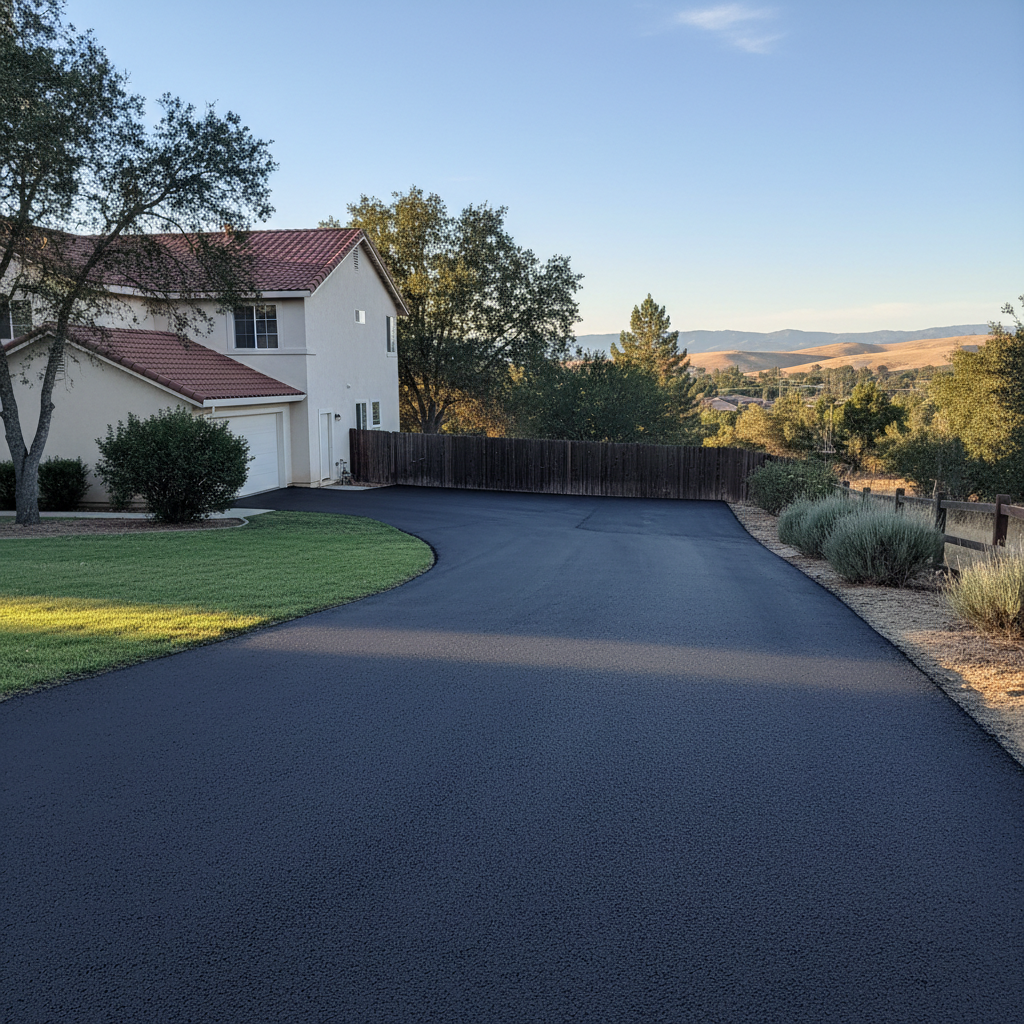
Keep Your Redding Driveway Looking Good and Lasting Long
Your driveway really takes a beating, especially here in Redding. We've got those scorching summers that bake everything dry, then the winter rains come along and truly test your pavement's strength. It's more than just a slab of asphalt; it's an investment in your home's curb appeal and how well things work. So, how do you make sure it lasts as long as possible?
First off, prevention is super important. You wouldn't buy a new car and just never change the oil, right? It's the same deal with your driveway. The better you take care of it from day one, the less money you'll throw at big repairs later. Honestly, it's that straightforward.
Regular Maintenance: What You Need to Do
Most of the time, keeping your driveway in good shape isn't some complex science. It's about paying attention and taking a few easy steps:
- Keep it Clean: Dirt, leaves, and other debris can trap moisture against the asphalt, which is definitely not good. Plus, things like oil and gas spills can really break down the binder in your asphalt. Clean up spills right away with something absorbent, like cat litter, then scrub and rinse. Sweep or blow off your driveway regularly, especially after a windy day or a heavy rain.
- Sealcoating: Think of this as your driveway's sunscreen and rain jacket all rolled into one. A good quality sealcoat protects the asphalt from harsh UV rays, water getting in, and even some chemical spills. For Redding's climate, I usually tell folks to sealcoat every 2-3 years. It might seem like an extra cost, but trust me, it's way cheaper than replacing your whole driveway. It helps keep the surface flexible too, which is a big deal when temperatures swing from 110 degrees in July to freezing in January.
- Address Small Cracks: Don't just ignore those hairline cracks. They're basically little invitations for water to sneak in underneath your pavement. Once water gets in there, especially during our colder nights, it freezes, expands, and turns those small cracks into big, ugly potholes. Use a good quality crack filler as soon as you spot them. It's a quick, inexpensive fix that saves you a real headache later.
- Edge Control: If you've got grass or weeds pushing up along the edges of your driveway, trim them back. Roots can actually undermine the asphalt, and too much plant growth can hold moisture right against the pavement.
Warning Signs: When to Pay Closer Attention
Your driveway will usually tell you when something's wrong, if you just know what to look for. Please, don't wait until it's a full-blown crater before you react:
- Alligator Cracking: This looks like a bunch of interconnected cracks, kind of like an alligator's skin. It's a sign that the base layer underneath the asphalt is failing, or that the asphalt itself has gotten brittle and is just wearing out. This isn't just a surface issue; it points to a deeper problem.
- Potholes: These are pretty obvious, aren't they? They start small, usually from a crack that wasn't taken care of, and then water and traffic make them grow. Potholes need immediate attention because they'll only get bigger and cause more damage to your vehicle and the surrounding pavement.
- Fading and Discoloration: If your asphalt is looking gray instead of black, that's a sign the sun has oxidized the surface. This means the binder is breaking down, and the pavement is losing its flexibility and protective qualities. It's a strong hint that it's time for a sealcoat.
- Standing Water (Ponding): After a rain, if you have puddles that just don't drain away, it means your driveway isn't properly graded or there's a depression forming. This constant moisture can soften the asphalt and lead to it failing too soon.
- Heaving or Depressions: If parts of your driveway are rising or sinking, that's usually a sign of serious issues with the sub-base. This could be because of poor compaction when it was installed, soil moving around, or even tree roots.
When to Call a Professional (Like Omega Asphalt Solutions)
Look, some things you can handle yourself, like sweeping or filling a small crack. But there are times when you really need to bring in the pros. If you're seeing any of the major warning signs I just mentioned – alligator cracking, significant potholes, widespread heaving or sinking, or large areas of severe deterioration – it's time to pick up the phone.
Trying to patch over a failing sub-base or extensive alligator cracking yourself is usually a waste of time and money. You're just putting a band-aid on a broken bone, really. A professional will have the equipment and know-how to properly figure out the root cause of the problem, whether it's a drainage issue, a compromised base, or just old, worn-out asphalt. We can recommend the right solution, whether that's a patch, an overlay, or a full-depth replacement.
Even for sealcoating, while some folks try to DIY it, getting a professional job done ensures proper surface preparation, consistent application, and a finish that lasts longer. Here in Redding, with our tough climate, you absolutely want that job done right. Don't hesitate to reach out if you're unsure. A quick inspection can save you a lot of grief and expense down the line.