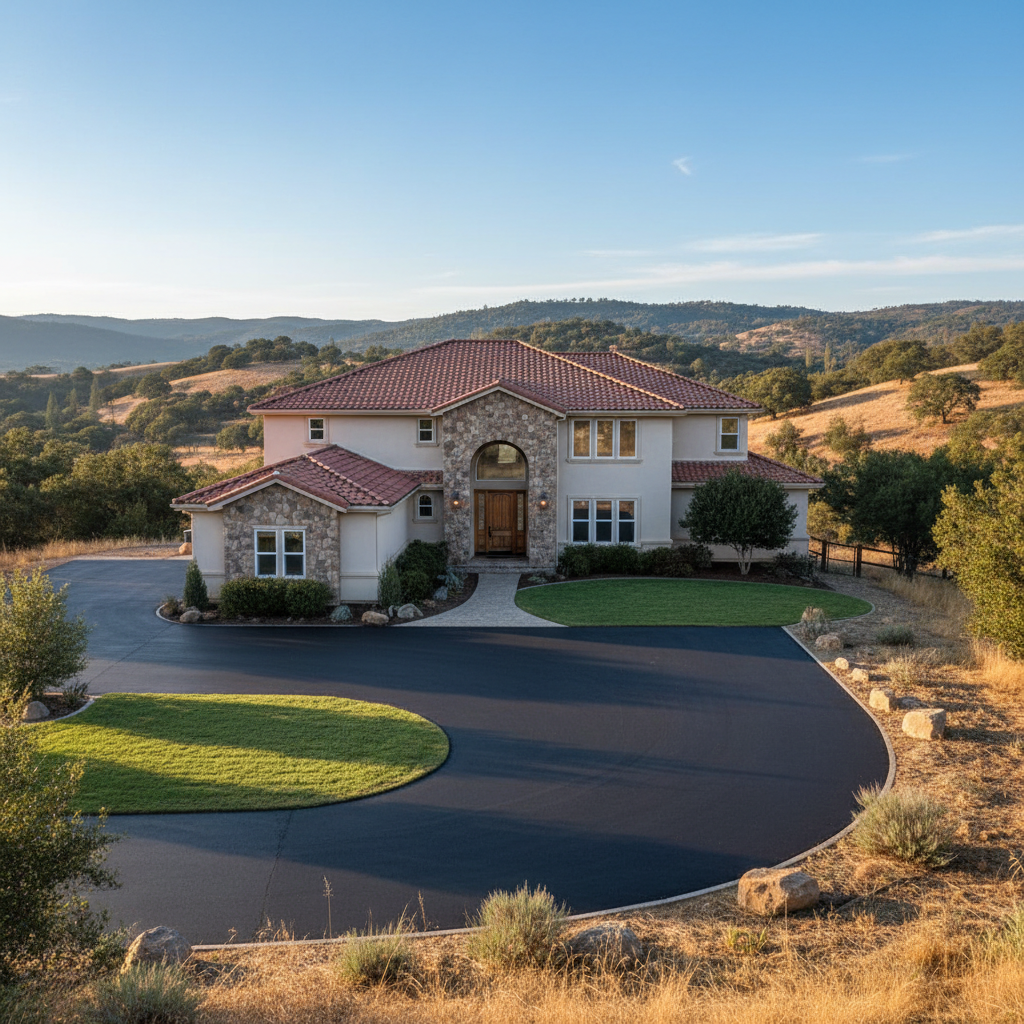
Running a business in Redding means you're always looking ahead, and that definitely includes your property's asphalt. Here in the North State, our climate isn't just a little extreme; it's *really* extreme. We get those triple-digit summer days where it feels like the sun's trying to melt everything, and then we have our fair share of wet, chilly winters. This kind of weather really puts commercial asphalt through its paces, so knowing the right seasons is key to keeping your parking lots and access roads in top shape.
When's the Best Time to Schedule Commercial Asphalt Work?
From what I've seen over the years, the best times for big commercial asphalt projects in Redding are usually spring and fall. Why? Because those seasons offer that perfect sweet spot of moderate temperatures. Asphalt needs to cure right, and that's just tough to do when it's either too hot or too cold.
- Spring (March - May): As the ground thaws out from winter and temperatures start to climb (but aren't brutal yet), spring is a great window. It lets the asphalt cure well before the intense summer heat hits. You're looking for consistent daytime temperatures, ideally above 50°F, and nights above 40°F. The main thing to watch out for in spring, though, is rain — it can definitely delay things.
- Fall (September - November): Lots of folks consider fall ideal. The temperatures are just right, humidity drops, and the weather tends to be more predictable. This helps the asphalt set properly and cuts down on the risk of problems like cracking. Plus, contractors might have more openings once the summer rush calms down.
Summer can work for maintenance, especially if you schedule it during the cooler parts of the day. But for new paving, extreme heat above 95°F can make the asphalt too soft, which leads to issues with compaction and how long it lasts. We're talking about temperatures that can hit 110°F or more here in Redding during July and August, so you've really got to be careful. Winter, with its heavy rains and cold snaps, makes major paving tough, though you can sneak in minor repairs during dry spells.
Weather Conditions That Affect the Work
It's not just about the season; it's about what each day brings. Here's what we pay attention to:
- Temperature: Asphalt paving uses hot mix asphalt, and it needs specific temperatures to be laid and compacted correctly. Ideally, we want air temperatures between 50°F and 85°F. If it's too cold, the asphalt cools too fast, making it hard to compact. If it's too hot, especially on those 100+ degree days we get in places like the Churn Creek Bottom, the asphalt can stay too soft, leading to tracking or scuffing.
- Moisture: Rain is a complete no-go for asphalt paving. Wet ground stops proper base preparation, and water can mess with the asphalt mix itself. We need dry conditions for a solid, lasting job.
- Humidity: High humidity can affect how long sealants and other treatments take to dry. While not as critical as rain, it's something we keep in mind for the best results.
Protecting Your Investment Year-Round
Once your commercial asphalt is down, the job isn't over. Year-round maintenance is super important, especially with Redding's climate. Here's what you need to do:
Spring: Inspect and Repair
After winter, take a good look at your asphalt. Check for any cracks or potholes that might have popped up because of the freeze-thaw cycles. Water seeping into cracks and freezing can expand, causing bigger problems. Get these fixed right away. Catching and repairing small issues early can stop them from becoming major, expensive ones. Spring is also a good time for sealcoating to protect against the upcoming summer heat.
Summer: Guard Against the Heat
Our Redding summers are brutal on asphalt. The intense sun and UV rays break down the binding oils, leading to oxidation, fading, and brittleness. This can cause cracks, raveling (that's when the aggregate loosens), and even soft spots or rutting under heavy traffic.
- Sealcoating: This is your best defense. A fresh sealcoat every 2-3 years protects against UV damage and keeps your asphalt looking good. Think of it as sunscreen for your pavement.
- Drainage: Make sure your drainage systems are working. Water pooling on softened asphalt can cause even more damage.
- Minimize Heavy Loads: If you can, try to avoid parking heavy machinery on your asphalt for long periods during the hottest parts of the day.
Fall: Prepare for Winter
Before the rains hit, it's time for another round of inspections and repairs. Seal any cracks to stop water from getting in and freezing. Clear leaves and debris, especially in low spots, as they can trap moisture. This preparation is vital to prevent water damage and keep the freeze-thaw cycle from wreaking havoc.
Winter: Monitor and Maintain
While big projects aren't usually possible, keep an eye on your asphalt. Promptly remove snow if we get any, and use de-icing agents that are safe for asphalt. Stay away from harsh chemicals that can wear down the surface. Note any new cracks or potholes that appear so you can deal with them in the spring.
Keeping your commercial asphalt in good shape is a year-round commitment, but believe me, it pays off in the long run. A well-maintained lot not only looks professional but also prevents costly repairs down the line. If you've got questions or need a hand with your commercial asphalt, give us a call at Omega Asphalt Solutions. We're your neighbors, and we know what it takes to make asphalt last in Redding.